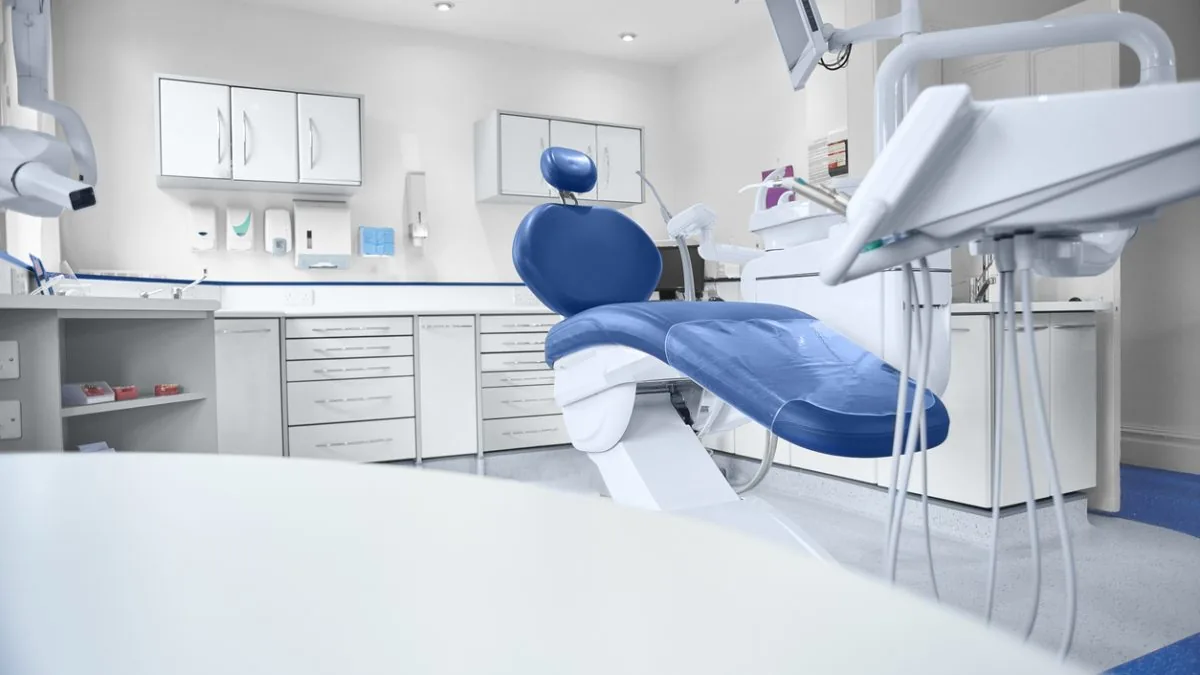
Medical-office cleaning requires a clearly defined scope, dependable scheduling and special attention to patient-facing and high-touch areas. A cleaning vendor should understand which spaces are ordinary office-cleaning areas and which tasks, materials or contamination risks require the facility's clinical protocols or specialized services.
Build the scope by zone, not with one generic checklist
A medical workplace usually combines several environments: reception and waiting areas, administrative offices, corridors, restrooms, staff areas and patient-facing rooms. These spaces do not necessarily need the same task frequency or cleaning process.
| Area | Typical priorities |
|---|---|
| Reception and waiting room | Presentation, floors, seating-area surfaces and frequent touchpoints |
| Administrative areas | Dust, floors, trash and shared office surfaces |
| Restrooms | Fixtures, counters, floors, supplies and touchpoints |
| Staff/break areas | Counters, sinks, exterior appliance surfaces, tables and floors |
| Patient-facing rooms | Facility-defined cleaning scope and protocols |
High-touch areas need explicit ownership
Door handles, push plates, counters, check-in surfaces, restroom touchpoints and other frequently handled surfaces should not be left ambiguous. The facility should specify which surfaces the cleaning company is responsible for, what products are approved and how often those tasks are expected.
Schedule around patients, staff and building access
Cleaning during active patient flow can create unnecessary disruption. Many offices prefer service before opening, after closing or during a predictable low-traffic period. The plan should address keys or access credentials, alarms, locked areas, parking and who to contact if the cleaner encounters a problem.
Frequency should reflect patient volume, staffing, restroom use, floor traffic and the standard the practice wants to maintain. A busy clinic may need more frequent service than a small appointment-only office.
Know where ordinary janitorial cleaning stops
A commercial cleaning scope should not silently imply clinical decontamination, regulated waste handling, sharps handling, biohazard remediation or other specialized work. The medical practice remains responsible for defining its regulatory and infection-control requirements and identifying tasks that require trained clinical personnel or specialized vendors.
Questions to ask a medical-office cleaning vendor
- Can the scope be written by area and frequency?
- How are high-touch tasks documented?
- Can service occur outside patient hours?
- How are access, alarms and locked spaces handled?
- What tasks are specifically excluded?
- How are missed tasks or quality concerns reported and corrected?
- Can the company provide proof of insurance or a COI when required?
Frequently asked questions
Is medical-office cleaning the same as ordinary office cleaning?
There is overlap, but patient-facing environments require a more carefully defined scope and clearer boundaries around clinical protocols and specialized contamination risks.
How often should a medical office be cleaned?
It depends on patient volume, facility size, restroom use and the areas included. High-use facilities generally need a shorter service interval than low-traffic administrative offices.
Should the cleaning company handle medical waste?
Do not assume so. Regulated waste, sharps and biohazard-related work should be explicitly governed by the facility's procedures and appropriate specialized providers.